
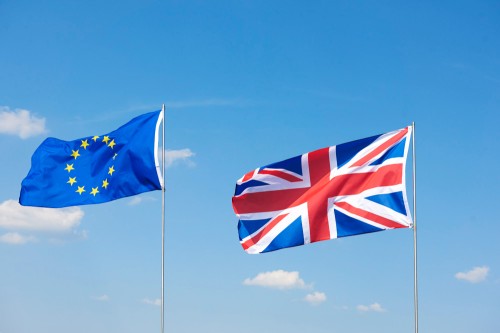
The United Kingdom is considering the creation of a single market for goods with the European Union as a strategy to enhance post-Brexit trade relations and stimulate economic growth. This proposal was brought up by senior UK officials during recent discussions in Brussels aimed at bolstering economic cooperation with the EU. However, the response from European officials was lukewarm, with suggestions leaning towards a customs union or the UK’s entry into the European Economic Area (EEA) instead.
Despite this lack of enthusiasm from the EU, the UK government remains firm in its stance against rejoining the EU single market or customs union and continues to reject the free movement of people, making these alternatives politically sensitive. However, both parties are gearing up for a UK-EU summit anticipated in July, which will likely address several practical agreements. These include potential deals on veterinary and food standards to facilitate agricultural trade, linking carbon emissions trading systems, and establishing a youth mobility program for educational and work exchanges.
In addition to these discussions, the UK is advocating for closer collaboration in key sectors such as defense, steel, electric vehicles, and technology. British officials are optimistic that enhanced trade arrangements could provide a boost to long-term economic growth while also fostering industrial cooperation across Europe.
Nevertheless, EU representatives express caution about granting the UK special access to the single market. They argue that any exclusive arrangement could potentially incite Eurosceptic sentiments in other European nations, posing a challenge to their unified stance.
As both sides continue negotiations in preparation for the upcoming summit, the focus remains on finding mutually beneficial agreements that respect the political constraints and economic aspirations of both the UK and the EU.