
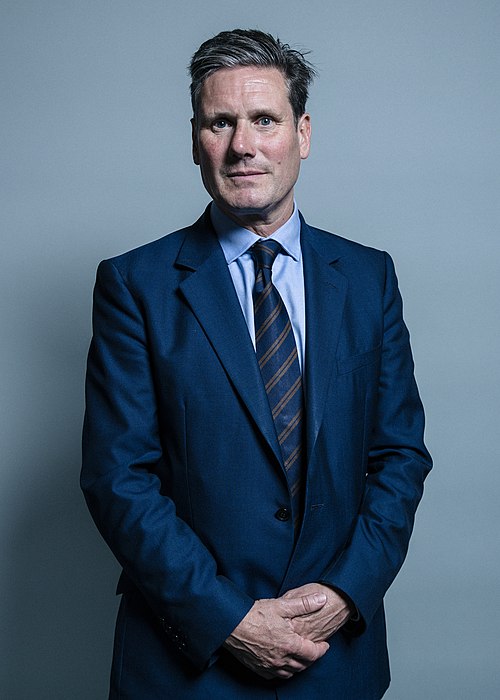
UK long-term borrowing costs recently surged to their highest level in nearly 30 years, fueled by concerns over potential shifts in Labour’s leadership and economic policies. On Tuesday morning, the yield on 30-year government bonds rose sharply by 11 basis points, reaching 5.794%. This marked the highest level since May 1998 as apprehensions grew over possible changes to Labour’s tax and spending strategies.
The market tension eased slightly when UK Prime Minister Keir Starmer, during a cabinet meeting, affirmed his intention to remain in his position, stating that no leadership challenge process had been initiated. This reassurance followed the resignation of Miatta Fahnbulleh, the first minister to step down after Labour’s substantial losses in the recent local and devolved elections. Fahnbulleh had urged Starmer to resign, adding to the political uncertainty.
Starmer addressed the situation by emphasizing that the Labour party has a structured process for leadership challenges, which had not been activated. He asserted the government’s responsibility to focus on governance, underscoring his commitment to this duty. His stance was echoed by several cabinet ministers who publicly expressed their support, including Business Secretary Peter Kyle, Technology Secretary Liz Kendall, and Housing Secretary Steve Reed.
The show of unity from Starmer and his ministers seemed to calm the nervous financial markets. The benchmark yield on 10-year UK government bonds, which had earlier reached 5.13%, fell back below 5.1%. Similarly, the yield on 30-year bonds, after hitting a new 28-year high of 5.81%, retreated to 5.76%, reflecting a modest recovery in investor confidence. This stabilization highlighted the impact of political assurances on market dynamics.