
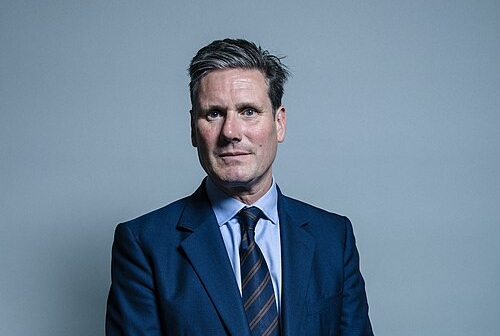
Keir Starmer, the British Prime Minister, has declared his intention to resign from his position as leader of the Labour Party and step down as prime minister, pending the selection of his successor. His decision marks the end of a leadership period that began with Labour’s sweeping election triumph in July 2024. During this transitional phase, Starmer will continue to serve as a caretaker prime minister, overseeing the party until a new leader is elected.
Starmer’s announcement follows increasing pressure from within the Labour Party and decreasing public approval for his government. The catalyst for his resignation appears to be the recent electoral success of Andy Burnham, who has expressed interest in challenging Starmer for the party leadership. Burnham’s emergence has spurred calls for a leadership change, as the Labour Party aims to reverse its declining popularity.
In a public statement made outside 10 Downing Street, Starmer addressed the internal concerns about his leadership capabilities, particularly regarding his potential to lead the party into the forthcoming general election. He graciously accepted the feedback from his colleagues, acknowledging their doubts and the need for a fresh direction.
Despite accolades for his management of international issues, such as his support for Ukraine and diplomatic interventions during Middle East conflicts, Starmer’s administration has faced criticism over domestic economic challenges, rising living expenses, and policy setbacks. These issues have contributed to the party’s waning support and have fueled the demand for new leadership.
The Labour Party is now set to initiate the process of electing a new leader, with Andy Burnham poised as a prominent candidate. Additionally, former Health Secretary Wes Streeting has indicated that he might enter the leadership race should a contest ensue, signaling an impending shift in the party’s direction.