
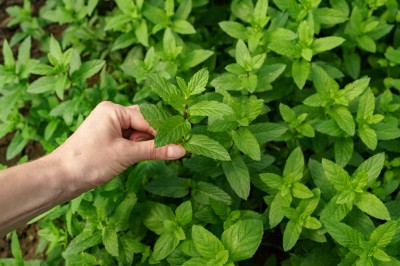
Many supermarket shoppers have experienced the disappointment of a basil plant wilting soon after bringing it home. While it’s easy to assume that inadequate care is the culprit, the problem often begins much earlier, before the plant even leaves the store.
The lush basil plants seen in stores are typically composed of numerous young seedlings crammed into a single pot. This arrangement makes the plant appear full and robust, but the overcrowding means the seedlings must compete for essential resources like water, sunlight, and nutrients, ultimately weakening them.
To give your supermarket basil a fighting chance, consider separating it into smaller clusters and replanting them individually. Start by gently removing the plant from its container and dividing the roots into three or four parts, taking care to preserve as many roots as possible. Each section should then be transplanted into its own pot with fresh compost. Ensure the plants are well-watered and placed in a warm, brightly lit area.
Regular pruning of the basil’s top can promote bushier growth and delay premature flowering. By providing the plants with more space, they are more likely to thrive and continue producing fresh leaves. This method was tested on a single pot of store-bought basil, resulting in three out of four sections continuing to grow and yield fresh leaves over the next month.
By simply giving supermarket basil more room, this common kitchen herb can transform from a short-lived purchase into a long-lasting source for cooking and gardening at home.