
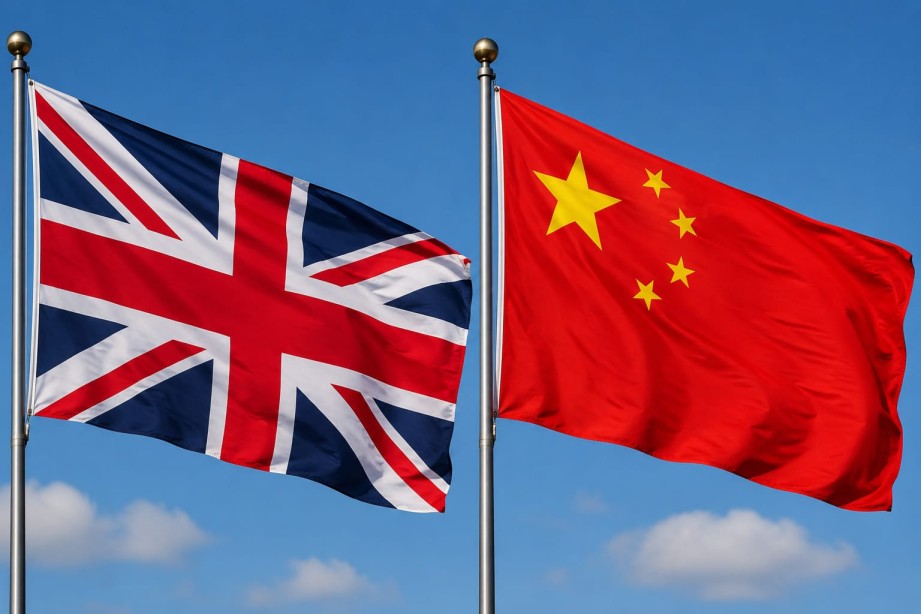
China and the United Kingdom have taken a significant step towards enhancing their economic collaboration by agreeing to expedite a joint feasibility study on a bilateral services trade agreement. This development, emerging amid global trade uncertainties, is poised to fortify ties in high-value service sectors between the two nations.
The decision was made during the China-UK Joint Economic and Trade Commission meeting held in London. Chinese Commerce Minister Wang Wentao expressed a welcoming stance towards increased investments from British businesses, while urging the UK to maintain a fair and non-discriminatory environment for Chinese firms operating within its borders. The meeting also saw both countries reaffirm their dedication to a rules-based global trading system under the auspices of the World Trade Organization.
UK Business and Trade Secretary Peter Kyle emphasized that the expanding cooperation in the services sector is a cornerstone of the bilateral relationship. He pointed out the vast opportunities available to British companies due to the rapid growth of China’s services sector and confirmed the UK’s eagerness to deepen this cooperation through the bilateral services partnership and the ongoing trade agreement study.
Addressing another crucial issue, China expressed its concerns over the UK’s new steel import restrictions, urging a revision to ensure these measures align with international trade standards. This appeal highlights the ongoing complexities in trade relations even as both nations seek further collaboration.
Analysts suggest that the proposed services trade agreement could open up new prospects in diverse sectors such as finance, banking, education, professional services, skills training, and creative industries. Meanwhile, merchandise trade between China and the UK continues to flourish, with bilateral goods trade experiencing a 6.5% increase year-on-year in the first five months of 2026.